Truyện Phật Giáo - Đại Tạng Kinh - Buddhasutra.net - Download - Nghe Mp3 - Pháp Âm Mp3 - Pháp Âm Tịnh Độ - Chinese Buddhism - Tripitaka Koreana - Taishō Tripiṭaka - Tibet Tipiṭaka - Pāḷi Tipiṭaka - Qianlong Tripitaka - 乾隆大藏經 - Tipiṭaka (Pāli), Tripiṭaka (Sanskrit: त्रिपिटक) - Kinh Nikaya mp3 1 - Kinh Nikaya mp3 2 - Video Pháp Âm 1 - Video Pháp Âm 2 - Chùa Khai Nguyên - Phật Sự Tản Viên - Phật Sự Thủ Đô - In Kinh Sách Tản Viên - Tìm mua sách in
Dharma Outline????5-1 The power of mind is infinite 心靈的力量是無限的
Click Here View Media Share File, Moves, Music, Photo...
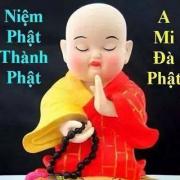
Đại Nguyện
Nguyện 18 trong 48 Đại Nguyện của Phật A Di Đà :
Nếu con được thành Phật, mà chúng sanh trong mười phương dốc lòng tin tưởng, muốn sanh về cõi nước con chỉ trong mười niệm, nếu không được toại nguyện, thì con chẳng trụ ở Ngôi Chánh Giác, trừ kẻ phạm năm tội nghịch và gièm chê Chánh Pháp.
Nam Mô Pháp Giới Tạng Thân A Di Đà Phật
Lời Khuyên Tịnh Độ (Ấn Quang Đại Sư)
“ Ấn Quang từ Tây qua Ðông, từ Bắc xuống Nam, qua lại hơn vạn dặm, gặp gỡ nhiều người. Trong số đó, lắm kẻ bình nhật tự vỗ ngực là bậc thông Tông, thông Giáo, coi Tịnh Ðộ như uế vật, chỉ sợ nó làm bẩn lây đến mình. Lúc lâm chung, đa số chân loạn tay cuống, kêu cha gào mẹ. Trong số ấy, có những người trì giới niệm Phật già giặn, chắc thật, dù Tín Nguyện chưa đến mức cùng cực, tướng lành chẳng hiện, nhưng đều an nhiên mạng chung. Vì sao như vậy? Là vì tâm thuỷ trong lặng, do phân biệt nên xao động, đục ngầu, sóng thức trào dâng. Do Phật hiệu nên tâm thuỷ ngưng lặng. Bởi thế, kẻ thượng trí chẳng bằng kẻ hạ ngu, biến quá khéo thành vụng về lớn vậy!”
Published
(English Subtitles) 佛法修學概要, Lectured by Master Jìng Jiè (淨界法師) from Taiwan.
Subtitles:
Please put your palms together and recite Namo Fundamental Master Sakyamuni Buddha three times.
Outline of Buddha Dharma Practice. All the merciful dharma masters, chairman, and students. Amitabha Buddha.
[67]After the Buddha's decease, what bridge can we use to come into contact with the Buddha's pure Dharma body?
Our Buddhist Dharma Summary has three themes: the first is the preface; the second is the main text; and the third is the conclusion and persuasion.
The preface means that before we enter into the stages of the path and the key points of practice,
1:00
we must have a basic understanding of the entire Buddhist Dharma. As a Buddhist, you need to understand what Buddha is and what Dharma is. These are the basic concepts.
In our previous two classes, we have already given a relatively detailed explanation of the Buddha. In the Mahayana sutras and treatises, the Buddha is explained from two aspects: One is the fundamental Buddha, called "Buddha of the original school."
We see many Buddha statues, some made of stone, some carved from wood, and some painted on paper. All of these Buddha statues have one root, which is what we call the "Pure Dharmakaya."
2:00
So what are the characteristics of this fundamental Buddha? He is “Inherently Pure, pervading the universe.” He is omnipresent.
This concept of the permanence of the Dharmakaya is not mentioned in the sutras and treatises of the Hinayana. If we read the Hinayana Agamas or Abhidharma Sutras, they explain that the Buddha is the Buddha who accompanied us in our growth for about 2,500 years.
He went through birth, marriage, leaving home, enlightenment, preaching Dharma, entering nirvana. Then he disappeared, that is, his body is cremated into ashes, and his senses vanishes too. Therefore, the thought of Hinayana does not have the so-called method of blessing by external force.
Everybody, if you read the Hinayana sutras and treatises, you will find no mention of receiving blessings from Buddhas and Bodhisattvas by chanting "Avalokitesvara Bodhisattva" or "Ksitigarbha Bodhisattva." There is no such thing.
3:00
In the Hinayana school of thought, all Buddhas and Bodhisattvas have disappeared and no longer exist. Therefore, when Hinayana scholars worship the Buddha, they are just expressing their remembrance and respect for the Buddha. He does not think that the Buddha still exists because he does not have this fundamental Buddha thought. So, the Hinayana thought does not have the dharma of external blessing, nor the dharma of corresponding to the honored one. Mahayana Buddhism disagrees with this view. After countless eons of study and practice, and after three great eons of cultivating merit and wisdom, the Buddha must have a fundamental principle.
As the ancients said, how could a Buddha, after spending three great eons cultivating, only live once and then disappear? The causal ground is too vast, and the fruition ground is too small, it's illogical. Therefore, we in Mahayana Buddhism must establish an important idea:
4:00
"Deeply believe that all Buddhas are full of". Buddha is omnipresent. Although we cannot see him with our eyes or hear him with our ears, he exists.
The Shurangama Sutra says, don’t trust your six senses. Our eyes can be blocked by a piece of paper. We cannot see what is next door, but that does not mean that the things next door do not exist. Therefore, our first understanding of Buddha is that there is a fundamental Buddha, who is omnipresent. This is the first.
The second one is what we call the Buddha with trace, which is the Buddha with form. After the Buddha passed away, he left behind three critical things: the first was the Buddha statue; the second was the Buddha's name; and the third was the mantra.
The pure Dharmakaya Buddha mentioned above has no form, and it is difficult for us to contact the Buddha
5:00
because our minds can only active in the causes and conditions with form, and cannot touch something formless. We are unable to do it. Therefore, the compassionate Buddha created three more forms: First, the Buddha statue. By worshiping the statue, we correspond with the Buddha.
The second, Buddha left his name. When we chant "Namo Amitabha," the Buddha is within the voice. Third, when we chant a mantra, the Buddha’s merits are also within it.
As long as you often do your homework, you will find that when your mind is scattered and your body and mind are very tired, if you calm down and chant the Buddha's name for fifteen minutes, you will create a sound "Amitabha" and listen to this sound again. After fifteen minutes, you will find that your physical and mental conditions is completely different,
Subtitles:
Please put your palms together and recite Namo Fundamental Master Sakyamuni Buddha three times.
Outline of Buddha Dharma Practice. All the merciful dharma masters, chairman, and students. Amitabha Buddha.
[67]After the Buddha's decease, what bridge can we use to come into contact with the Buddha's pure Dharma body?
Our Buddhist Dharma Summary has three themes: the first is the preface; the second is the main text; and the third is the conclusion and persuasion.
The preface means that before we enter into the stages of the path and the key points of practice,
1:00
we must have a basic understanding of the entire Buddhist Dharma. As a Buddhist, you need to understand what Buddha is and what Dharma is. These are the basic concepts.
In our previous two classes, we have already given a relatively detailed explanation of the Buddha. In the Mahayana sutras and treatises, the Buddha is explained from two aspects: One is the fundamental Buddha, called "Buddha of the original school."
We see many Buddha statues, some made of stone, some carved from wood, and some painted on paper. All of these Buddha statues have one root, which is what we call the "Pure Dharmakaya."
2:00
So what are the characteristics of this fundamental Buddha? He is “Inherently Pure, pervading the universe.” He is omnipresent.
This concept of the permanence of the Dharmakaya is not mentioned in the sutras and treatises of the Hinayana. If we read the Hinayana Agamas or Abhidharma Sutras, they explain that the Buddha is the Buddha who accompanied us in our growth for about 2,500 years.
He went through birth, marriage, leaving home, enlightenment, preaching Dharma, entering nirvana. Then he disappeared, that is, his body is cremated into ashes, and his senses vanishes too. Therefore, the thought of Hinayana does not have the so-called method of blessing by external force.
Everybody, if you read the Hinayana sutras and treatises, you will find no mention of receiving blessings from Buddhas and Bodhisattvas by chanting "Avalokitesvara Bodhisattva" or "Ksitigarbha Bodhisattva." There is no such thing.
3:00
In the Hinayana school of thought, all Buddhas and Bodhisattvas have disappeared and no longer exist. Therefore, when Hinayana scholars worship the Buddha, they are just expressing their remembrance and respect for the Buddha. He does not think that the Buddha still exists because he does not have this fundamental Buddha thought. So, the Hinayana thought does not have the dharma of external blessing, nor the dharma of corresponding to the honored one. Mahayana Buddhism disagrees with this view. After countless eons of study and practice, and after three great eons of cultivating merit and wisdom, the Buddha must have a fundamental principle.
As the ancients said, how could a Buddha, after spending three great eons cultivating, only live once and then disappear? The causal ground is too vast, and the fruition ground is too small, it's illogical. Therefore, we in Mahayana Buddhism must establish an important idea:
4:00
"Deeply believe that all Buddhas are full of". Buddha is omnipresent. Although we cannot see him with our eyes or hear him with our ears, he exists.
The Shurangama Sutra says, don’t trust your six senses. Our eyes can be blocked by a piece of paper. We cannot see what is next door, but that does not mean that the things next door do not exist. Therefore, our first understanding of Buddha is that there is a fundamental Buddha, who is omnipresent. This is the first.
The second one is what we call the Buddha with trace, which is the Buddha with form. After the Buddha passed away, he left behind three critical things: the first was the Buddha statue; the second was the Buddha's name; and the third was the mantra.
The pure Dharmakaya Buddha mentioned above has no form, and it is difficult for us to contact the Buddha
5:00
because our minds can only active in the causes and conditions with form, and cannot touch something formless. We are unable to do it. Therefore, the compassionate Buddha created three more forms: First, the Buddha statue. By worshiping the statue, we correspond with the Buddha.
The second, Buddha left his name. When we chant "Namo Amitabha," the Buddha is within the voice. Third, when we chant a mantra, the Buddha’s merits are also within it.
As long as you often do your homework, you will find that when your mind is scattered and your body and mind are very tired, if you calm down and chant the Buddha's name for fifteen minutes, you will create a sound "Amitabha" and listen to this sound again. After fifteen minutes, you will find that your physical and mental conditions is completely different,
Up Next
Autoplay
-
10:16

Dharma Outline????5-2 Do you think our body is more powerful than mind? 您認為我們的身體比思想更強大嗎
-
15:41
Dharma Outline????4 -2 Everything is karma; nothing is up to you
-
06:37
????True Nature of Mind is like a Vast Ocean, Delusions are like Tiny Bubbles, Dharma Outline 2-1
-
08:07
Dharma Outline????8 - 4 There is a rule in the world: The more you let go, the more you will gain
-
18:26

Tam Thiên Đại Thiên Thế Giới Trong Kinh Phật
-
1:54:49

净空法师-地藏菩萨本愿经-第四卷
-
05:37

Xin Mẹ đừng Bỏ Con Mẹ ơi ! HD
-
02:11

阿彌陀佛的乾坤袋 #淨宗法師