Truyện Phật Giáo - Đại Tạng Kinh - Buddhasutra.net - Download - Nghe Mp3 - Pháp Âm Mp3 - Pháp Âm Tịnh Độ - Chinese Buddhism - Tripitaka Koreana - Taishō Tripiṭaka - Tibet Tipiṭaka - Pāḷi Tipiṭaka - Qianlong Tripitaka - 乾隆大藏經 - Tipiṭaka (Pāli), Tripiṭaka (Sanskrit: त्रिपिटक) - Kinh Nikaya mp3 1 - Kinh Nikaya mp3 2 - Video Pháp Âm 1 - Video Pháp Âm 2 - Chùa Khai Nguyên - Phật Sự Tản Viên - Phật Sự Thủ Đô - In Kinh Sách Tản Viên - Tìm mua sách in
????If a man wanted to achieve sainthood, he had to follow the doctrine of the mean, Dharma Outline
Click Here View Media Share File, Moves, Music, Photo...
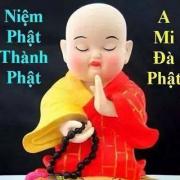
Đại Nguyện
Nguyện 18 trong 48 Đại Nguyện của Phật A Di Đà :
Nếu con được thành Phật, mà chúng sanh trong mười phương dốc lòng tin tưởng, muốn sanh về cõi nước con chỉ trong mười niệm, nếu không được toại nguyện, thì con chẳng trụ ở Ngôi Chánh Giác, trừ kẻ phạm năm tội nghịch và gièm chê Chánh Pháp.
Nam Mô Pháp Giới Tạng Thân A Di Đà Phật
Lời Khuyên Tịnh Độ (Ấn Quang Đại Sư)
“ Ấn Quang từ Tây qua Ðông, từ Bắc xuống Nam, qua lại hơn vạn dặm, gặp gỡ nhiều người. Trong số đó, lắm kẻ bình nhật tự vỗ ngực là bậc thông Tông, thông Giáo, coi Tịnh Ðộ như uế vật, chỉ sợ nó làm bẩn lây đến mình. Lúc lâm chung, đa số chân loạn tay cuống, kêu cha gào mẹ. Trong số ấy, có những người trì giới niệm Phật già giặn, chắc thật, dù Tín Nguyện chưa đến mức cùng cực, tướng lành chẳng hiện, nhưng đều an nhiên mạng chung. Vì sao như vậy? Là vì tâm thuỷ trong lặng, do phân biệt nên xao động, đục ngầu, sóng thức trào dâng. Do Phật hiệu nên tâm thuỷ ngưng lặng. Bởi thế, kẻ thượng trí chẳng bằng kẻ hạ ngu, biến quá khéo thành vụng về lớn vậy!”
Published
(English Subtitles) 一個人要成就聖道,必須要走中庸的道路, 佛法修學概要, Lectured by Master Jìng Jiè (淨界法師) from Taiwan.
Subtitles:
[46] Why did the Buddha manifest in this evil world of the five turbidities?
There are three stages for the Buddha to attain Buddhahood: The first stage is called the settling of body and mind. This settling of body and mind is from "manifesting in the five turbidities" to "sitting cross-legged", which is the first stage. Let me first explain the first paragraph. This is manifestation of the Buddha. The Buddha was originally a pure Dharmakaya, from which, based on his great compassion, he transformed into a karmic body and came to the human world to accompany us in our growth. Therefore, he manifested in the evil world of the five turbidities.
/* The five turbidities of this evil world are the turbidity of the era, the turbidity of views, the turbidity of afflictions, the turbidity of living beings, and the turbidity of life. */
Since the Buddha came and manifest in the human world, he cannot destroy the false form of the world. This is critical. The Diamond Sutra says: Bodhisattvas view all matters as empty, but do not destroy the world's false names, false forms, and false uses.
1:00
This is why we said in the last class that the Buddha’s birth did not actually require the conditions of his parents; He could manifest a karmic body at any time. However, he must manifest the same as the human world. Since it is a manifestation, he must live with the sentient beings in the same circumstances and "manifest with dust and dirt." Since he is a flesh and blood body, he has dirt, and he sweats like everybody else. We know that when the Buddha was in India, he practiced asceticism very hard. He only ate one grain of wheat, one hemp and one barley a day, and had no time to take a bath.
According to the sutras, after six years of ascetic practice, the Buddha suddenly realized something.
2:00
He thought: Living beings cling to the five desires, which makes a person's body and mind lax. However, if one practices too hard, he will not be able to practice the holy path due to physical and mental deficiencies. So he felt that if a person wanted to achieve sainthood, he had to follow the doctrine of the mean. He should neither let himself be too happy nor too weak. At this time, after the Buddha realized the doctrine of the mean, he left the ascetic forest.
What was the first thing he did after leaving the ascetic forest? He took a bath to wash off the dirt on his body. Because he knew that the path in his heart, the Bodhi path, was about to appear. To purify one’s mind, one must first purify one’s body, so he bathed in the golden stream. This golden stream is the Nilean River.
3:00
But why? In ancient India, the sand in the Nilean River was golden and sparkled in the sun, so it was called the golden stream. When he finished his bath, he was too weak to climb ashore, so the celestial being pressed down a branch so that the Buddha could grab it and slowly walk out of the Nilean River. When he came out, a very auspicious sign appeared: there were many colorful birds flying in the sky. We all know that animals have a sixth sense. Although animals are not good at communication and do not have complex language like us, they have an intuition. You can see that mice know when an earthquake is coming. The Buddha was about to succeed in the great way and achieve grand merits. The birds knew that, so they followed the Buddha and gradually stepped on the path toward the bodhi.
4:00
This is a very auspicious sign to express the Buddha's merits. This perfect grand merit is about to be accomplished, and even animals are inspired by him. Back then, there was a cowherd who spread the auspicious grasses, which was a very soft and elastic grass in ancient times, for the Buddha on a large stone. We call this the Vajra Seat. Then the Buddha sat cross-legged.
After he took a bath, a shepherd offered him goat milk porridge, and he accepted it. The porridge made from goat milk was thicker, like porridge.
5:00
After the Buddha finished his meal, he sat peacefully on his seat, his mind had clearly become tranquil, this was a convenient way to attain enlightenment.
Before the Buddha attained enlightenment, he emitted light via his divine power. We know the Devil's mood that he wants everyone to accompany him in transmigrating amid the desire realms. If someone wants to become a Buddha and spread the truth afterwards, the Devil will not be happy about it, so he must hinder this.
The Devil brought many of his followers and rebuked the Buddha, saying: Prince, you are disallowed to sit in this place now, get up quickly. Otherwise, I will hurt you.
[47] How did the Buddha subdue demons?
6:00
What did the Buddha do at this time? In fact, the Buddha used two methods, according to the Tripitaka sutras, wisdom and compassion. The Buddha first used wisdom to enlighten the Devil: “You cannot harm me.
Subtitles:
[46] Why did the Buddha manifest in this evil world of the five turbidities?
There are three stages for the Buddha to attain Buddhahood: The first stage is called the settling of body and mind. This settling of body and mind is from "manifesting in the five turbidities" to "sitting cross-legged", which is the first stage. Let me first explain the first paragraph. This is manifestation of the Buddha. The Buddha was originally a pure Dharmakaya, from which, based on his great compassion, he transformed into a karmic body and came to the human world to accompany us in our growth. Therefore, he manifested in the evil world of the five turbidities.
/* The five turbidities of this evil world are the turbidity of the era, the turbidity of views, the turbidity of afflictions, the turbidity of living beings, and the turbidity of life. */
Since the Buddha came and manifest in the human world, he cannot destroy the false form of the world. This is critical. The Diamond Sutra says: Bodhisattvas view all matters as empty, but do not destroy the world's false names, false forms, and false uses.
1:00
This is why we said in the last class that the Buddha’s birth did not actually require the conditions of his parents; He could manifest a karmic body at any time. However, he must manifest the same as the human world. Since it is a manifestation, he must live with the sentient beings in the same circumstances and "manifest with dust and dirt." Since he is a flesh and blood body, he has dirt, and he sweats like everybody else. We know that when the Buddha was in India, he practiced asceticism very hard. He only ate one grain of wheat, one hemp and one barley a day, and had no time to take a bath.
According to the sutras, after six years of ascetic practice, the Buddha suddenly realized something.
2:00
He thought: Living beings cling to the five desires, which makes a person's body and mind lax. However, if one practices too hard, he will not be able to practice the holy path due to physical and mental deficiencies. So he felt that if a person wanted to achieve sainthood, he had to follow the doctrine of the mean. He should neither let himself be too happy nor too weak. At this time, after the Buddha realized the doctrine of the mean, he left the ascetic forest.
What was the first thing he did after leaving the ascetic forest? He took a bath to wash off the dirt on his body. Because he knew that the path in his heart, the Bodhi path, was about to appear. To purify one’s mind, one must first purify one’s body, so he bathed in the golden stream. This golden stream is the Nilean River.
3:00
But why? In ancient India, the sand in the Nilean River was golden and sparkled in the sun, so it was called the golden stream. When he finished his bath, he was too weak to climb ashore, so the celestial being pressed down a branch so that the Buddha could grab it and slowly walk out of the Nilean River. When he came out, a very auspicious sign appeared: there were many colorful birds flying in the sky. We all know that animals have a sixth sense. Although animals are not good at communication and do not have complex language like us, they have an intuition. You can see that mice know when an earthquake is coming. The Buddha was about to succeed in the great way and achieve grand merits. The birds knew that, so they followed the Buddha and gradually stepped on the path toward the bodhi.
4:00
This is a very auspicious sign to express the Buddha's merits. This perfect grand merit is about to be accomplished, and even animals are inspired by him. Back then, there was a cowherd who spread the auspicious grasses, which was a very soft and elastic grass in ancient times, for the Buddha on a large stone. We call this the Vajra Seat. Then the Buddha sat cross-legged.
After he took a bath, a shepherd offered him goat milk porridge, and he accepted it. The porridge made from goat milk was thicker, like porridge.
5:00
After the Buddha finished his meal, he sat peacefully on his seat, his mind had clearly become tranquil, this was a convenient way to attain enlightenment.
Before the Buddha attained enlightenment, he emitted light via his divine power. We know the Devil's mood that he wants everyone to accompany him in transmigrating amid the desire realms. If someone wants to become a Buddha and spread the truth afterwards, the Devil will not be happy about it, so he must hinder this.
The Devil brought many of his followers and rebuked the Buddha, saying: Prince, you are disallowed to sit in this place now, get up quickly. Otherwise, I will hurt you.
[47] How did the Buddha subdue demons?
6:00
What did the Buddha do at this time? In fact, the Buddha used two methods, according to the Tripitaka sutras, wisdom and compassion. The Buddha first used wisdom to enlighten the Devil: “You cannot harm me.
Up Next
Autoplay
-
12:15

Dharma Outline????5-4 You can have delusions but must not follow them 你可以有妄想,但不随妄转
-
08:07
Dharma Outline????8 - 4 There is a rule in the world: The more you let go, the more you will gain
-
02:26
If the recipient of offerings in the temple does not follow the Dharma, how should I handle it?
-
15:41
Dharma Outline????4 -2 Everything is karma; nothing is up to you
-
18:26

Tam Thiên Đại Thiên Thế Giới Trong Kinh Phật
-
1:54:49

净空法师-地藏菩萨本愿经-第四卷
-
05:37

Xin Mẹ đừng Bỏ Con Mẹ ơi ! HD
-
02:11

阿彌陀佛的乾坤袋 #淨宗法師